More Than a Transaction
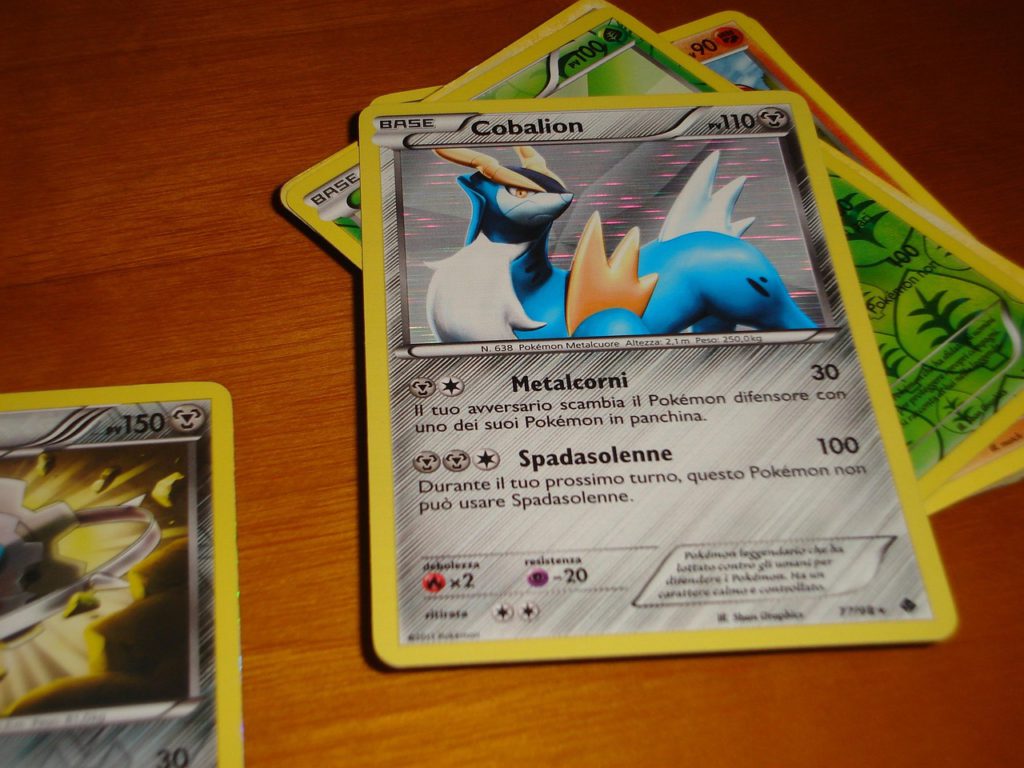
A visit to a trading card store is rarely limited to a simple purchase. These environments are designed around interaction, discovery, and ongoing participation. A pokemon booster box may draw attention as a high-interest product tied to anticipation and collectability, while another customer compares mtg singles with a specific deck goal in mind. Both actions reflect how modern collecting is shaped not just by products, but by shared spaces where decisions are informed through visibility, discussion, and expertise.
Rather than functioning solely as retail outlets, trading card stores operate as active hubs for hobby engagement. The physical layout, staff knowledge, and customer mix all contribute to an experience that extends beyond buying and selling. This makes the category distinct from standard ecommerce or general hobby retail.
Trading Card Stores as Functional Community Hubs
Trading card stores serve a practical role as community hubs by creating reliable environments for in-person interaction. They bring together collectors, players, and newcomers with varying levels of experience, all centred around a common interest. This mix naturally encourages conversation, advice-sharing, and informal mentoring, especially in-store where products and gameplay can be discussed in real time.
Consistency is key. Regular store hours, familiar staff, and ongoing customer presence help establish trust and comfort. Over time, casual visitors become repeat customers, not because of obligation, but because the store offers something difficult to replace online: access to people, insight, and shared enthusiasm. This environment supports confidence for new participants and deeper engagement for experienced ones.
Events That Drive Engagement and Retention
Organised play sessions, trade nights, and tournaments add structure to the store’s role within the hobby ecosystem. These events provide predictable engagement opportunities, helping stores maintain foot traffic while offering customers a reason to return beyond retail needs. For players, events create clear use cases for products, encourage deck optimisation, and support skill development through regular play.
Even outside scheduled activities, store design plays a functional role. Open tables, visible displays, and approachable counters signal that browsing and conversation are welcome. These elements support longer dwell times and increase the likelihood of organic discussion around cards, strategies, and upcoming releases. From a commercial perspective, this environment naturally supports contextual recommendations and informed purchasing decisions.
The Ongoing Value of Physical Retail Spaces
Despite the growth of online marketplaces, physical trading card stores retain clear advantages. Customers can assess card condition directly, ask questions, and make confident decisions without delay. This immediacy reduces uncertainty and builds trust, particularly for higher-value or competitive purchases.
For younger customers, in-store participation supports practical skill development such as communication, turn-taking, and fair play. For long-term collectors, the store environment reinforces connection to the hobby in a way that feels grounded and accessible. These benefits are not abstract; they directly influence customer loyalty and long-term engagement.
Participation Over Spend
Effective trading card stores foster participation without relying on constant purchasing. Customers often return to observe games, discuss strategies, or stay informed about upcoming releases. This approach lowers barriers to entry and broadens the store’s audience, ensuring that engagement is driven by interest rather than spending capacity.
By prioritising atmosphere, accessibility, and interaction, stores strengthen their position within the hobby ecosystem. This approach supports sustainable growth and positions the store as a trusted reference point rather than a transactional stop.
A Commercial Space Built Around Connection
Trading card stores occupy a unique position where retail and community overlap naturally. Products may draw people inside, but structured interaction, expertise, and shared experiences keep them engaged. For businesses operating in this niche, success depends on supporting both sides equally.
When executed well, the store becomes more than a place to buy cards. It becomes a platform for learning, competition, and connection—one where collecting evolves into an ongoing, shared experience shaped by regular interaction and practical value.